Eggs for Diabetes (benefits + best Breakfast combos)
Eggs are one of the maximum generally used ingredients for humans living with kind 2 Diabetes, Prediabetes, or insulin resistance because they comprise almost no carbohydrates and are wealthy in notable protein.
unlike many breakfast foods along with bread, cereal, or pastries which can speedy increase blood sugar, eggs generally tend to have a minimum direct effect on glucose tiers. This makes them beneficial for growing greater solid morning meals while mixed with the proper foods.
Eggs additionally assist boom fullness, which could reduce snacking and guide better urge for food control in the course of the day. this may indirectly support greater solid blood sugar styles by using reducing common spikes from among-meal ingesting.
however, eggs by myself aren’t a complete meal approach. Their impact on blood sugar is only whilst they may be a part of a balanced breakfast that consists of fiber-wealthy veggies, healthy fat, and controlled carbohydrate portions.
Why Eggs assist Blood Sugar manage
Eggs incorporate incredible protein and wholesome fat, but very little carbohydrate. This combination manner they do not motive a speedy upward thrust in blood glucose after eating.
Protein slows digestion and allows lessen the velocity at which other carbohydrates are absorbed into the bloodstream. this could help clean out blood sugar responses when eggs are eaten alongside other meals.
Eggs also guide satiety, that means they assist you feel complete for longer periods. this will reduce cravings for sugary snacks or subtle carbohydrates later inside the morning.
A stable breakfast is specially essential for humans handling kind 2 Diabetes due to the fact morning food frequently set the tone for blood sugar stages at some point of the day.
while eggs are used as the principle protein source in breakfast, they are able to help reduce normal glucose variability in comparison to excessive-carb breakfasts.
nice ways to consume Eggs for Diabetes
Eggs are flexible and can be prepared in many approaches, which include boiled, scrambled, poached, or as omelets.
The most important thing is what they may be blended with rather than the cooking approach itself.
Eggs work pleasant when paired with fiber-wealthy vegetables which include spinach, tomatoes, onions, peppers, and mushrooms. these veggies assist sluggish digestion and decrease the general glycemic effect of the meal.
including wholesome fat like avocado or olive oil also can enhance satiety and create more balanced power launch.
Eggs can also be paired with small quantities of whole grains like oats or whole-grain toast, but component manage is essential to avoid excessive carbohydrate intake.
satisfactory Breakfast combos with Eggs
Egg-primarily based breakfasts are only when they consist of a combination of protein, fiber, and healthy fat.
Eggs with sautéed greens is one of the most effective and most balanced alternatives. This combination presents protein from eggs and fiber from greens, supporting to gradual digestion.
An omelet with spinach, peppers, and onions is some other common option that supports consistent electricity without heavy carbohydrate load.
Eggs with avocado is any other balanced mixture, supplying protein and healthy fats that assist reduce hunger and support strong blood sugar.
a few humans also combine eggs with a small part of complete-grain toast. when accomplished moderately, this will provide controlled carbohydrates with out big glucose spikes.
Eggs with beans or lentils can also be used in greater filling breakfasts, mainly for people who select plant-protein combinations.
those combos paintings pleasant whilst processed ingredients, sugary drinks, or delicate carbs are minimized.
not unusual mistakes while consuming Eggs
One common mistake is pairing eggs with high-carbohydrate processed meals which include white bread, pastries, or sugary drinks. this may increase standard blood sugar reaction even though eggs themselves are low in carbohydrates.
some other mistake is using huge amounts of bad cooking fats, which include closely processed oils or deep-frying techniques, which can lessen the overall fitness quality of the meal.
a few humans additionally rely best on eggs with out including fiber-wealthy ingredients, which may reduce general meal stability and satiety.
Processed egg-based speedy meals or breakfast sandwiches often contain delicate carbohydrates and brought fat that make them less appropriate for blood sugar manage.
Who ought to Be careful with Eggs
the majority can encompass eggs in a balanced weight loss program, but person responses may vary.
people with insulin resistance can also nevertheless want to display how distinctive breakfast combinations have an effect on their blood sugar degrees.
the main problem is generally no longer eggs themselves, however what they may be eaten with and overall component stability.
as an example, eggs combined with refined carbohydrates may additionally cause higher glucose spikes than eggs mixed with veggies.
easy Balanced Egg Breakfast sample
A balanced egg breakfast normally includes eggs as the main protein supply, greens for fiber, and optional healthy fat like avocado or olive oil.
This aggregate allows sluggish digestion and helps extra strong blood sugar stages after ingesting.
Egg-primarily based food are frequently used in morning workouts due to the fact they offer consistent power with out rapid spikes or crashes.
preserving breakfast constant and heading off sugary liquids or delicate carbs can similarly improve glucose balance.
Eggs may be eaten day by day in lots of instances as part of a numerous food regimen that includes other protein sources for the duration of the week.
while utilized in balanced food, eggs continue to be one of the handiest and best ingredients for helping stable blood sugar manipulate.
Best Protein foods for Blood Sugar control
rotein plays an vital role in blood sugar management for people living with kind 2 Diabetes, Prediabetes, and insulin resistance. unlike carbohydrates, protein does not immediately increase blood glucose inside the same rapid manner, and it enables slow digestion when eaten as a part of a balanced meal.
when meals are low in protein, carbohydrates generally tend to digest quicker, which may additionally result in stronger blood sugar spikes after eating and faster drops in electricity later. over time, this sample can make glucose ranges extra unstable throughout the day.
adding enough protein to food supports steadier energy, better fullness, and more balanced glucose responses after consuming. It additionally allows reduce cravings for sugary or notably processed ingredients, which regularly make contributions to blood sugar fluctuations.
Protein does not work alone. it’s far best while blended with fiber, veggies, and healthful fat. This mixture slows digestion and creates a greater sluggish launch of glucose into the bloodstream.
A consistent protein intake across the day—especially at breakfast and dinner—might also assist improve common blood sugar stability.
Lean Animal Protein options
Lean animal proteins are normally used for blood sugar manipulate because they’re excessive in protein and contain very little carbohydrate.
hen breast is one of the most not unusual alternatives. it is able to be grilled, baked, or boiled and coupled with veggies for balanced food.
Turkey is every other lean protein that works properly in salads, wraps, or simple cooked food.
Fish which includes salmon, sardines, tuna, and mackerel provide each protein and healthful fats. those fat may additionally support coronary heart fitness and assist improve normal metabolic balance.
Eggs are a simple and versatile protein supply that may be eaten boiled, scrambled, or delivered to vegetable-primarily based meals.
Lean animal proteins are usually simplest whilst now not deep-fried or closely processed, as added oils, breading, or sauces may also growth calorie and carbohydrate load.
those meals help sluggish digestion when paired with carbohydrates and regularly reduce the rate of submit-meal blood sugar rises.
Plant-based Protein ingredients
Plant-based totally proteins are crucial for those who select non-animal options or want more dietary variety.
Lentils, chickpeas, black beans, and kidney beans offer both protein and fiber, which makes them especially helpful for blood sugar manipulate.
Tofu is any other broadly used plant protein that absorbs flavors effortlessly and works in stir-fries, soups, and blended dishes.
Tempeh is a fermented soy product that is better in protein and regularly used as a meat substitute in balanced food.
Edamame (young soybeans) may be eaten as a snack or introduced to food for extra protein and fiber.
those ingredients digest extra slowly than subtle carbohydrates and help create longer-lasting fullness and extra strong electricity levels.
Plant proteins are in particular effective while mixed with vegetables and wholesome fat in the same meal.
Dairy and Protein-rich Snacks
Dairy merchandise also can provide useful protein for blood sugar control when chosen accurately.
Unsweetened Greek yogurt is one of the most common options because it’s far excessive in protein and lower in carbohydrates as compared to regular sweetened yogurt.
Cottage cheese is another protein-rich dairy choice that can be eaten as a snack or blended with fruits or veggies.
Milk also can make a contribution protein, but element length and timing depend because it nevertheless carries herbal carbohydrates.
Protein-wealthy snacks help lessen sudden hunger and might save you overeating later within the day, which could not directly assist higher glucose balance.
when dairy merchandise are mixed with fiber-wealthy meals such as berries, seeds, or nuts, they have a tendency to support even steadier blood sugar responses.
how to Use Protein for higher Blood Sugar manage
Protein works nice when it’s miles spread in the course of the day as opposed to being focused in one meal.
Breakfast with protein tends to lessen morning cravings and assist stabilize early-day blood sugar tiers.
Lunch and dinner with protein help sluggish digestion of carbohydrates and reduce post-meal spikes.
Even snacks that consist of protein can help prevent power crashes and decrease the need for excessive-sugar ingredients.
Protein also supports better component manipulate as it increases fullness and reduces ordinary calorie consumption obviously.
meals that combine protein with vegetables and fiber generally tend to provide the maximum strong blood sugar responses.
Examples include bird with vegetables, eggs with veggies, fish with salad, or beans with blended veggies.
Cooking techniques additionally depend. Grilling, baking, steaming, or boiling are usually better alternatives than deep frying or adding sugary sauces.
Hydration and sleep additionally have an impact on how the frame makes use of protein and regulates blood sugar, making standard way of life styles vital.
Protein foods are a key a part of blood sugar manage for human beings coping with diabetes, prediabetes, or insulin resistance. Lean animal proteins, plant-primarily based proteins, and dairy alternatives all assist gradual digestion and guide extra strong glucose degrees whilst used in balanced food.
while blended with greens, fiber, and wholesome fat, protein allows lessen blood sugar spikes, enhance fullness, and guide steadier strength all through the day.
constant protein consumption, especially throughout breakfast, lunch, and dinner, may help enhance lengthy-term metabolic balance and average glucose stability.
Greek Yogurt for Diabetes (best brands + What to avoid)
Greek yogurt is frequently considered a beneficial food for humans residing with type 2 Diabetes, Prediabetes, or insulin resistance as it contains excessive protein, lower carbohydrate content material than normal yogurt, and might help sluggish digestion when eaten as part of a balanced meal.
but, not all Greek yogurts are the equal. some variations are high in added sugar, flavored syrups, or sweetened fruit mixes that can raise blood glucose quick. Others are undeniable, high in protein, and lots more appropriate for stable blood sugar manage.
The difference between a “good” and “bad” yogurt option often comes all the way down to factor quality, brought sugar, and element length as opposed to the yogurt itself.
Greek yogurt can guide satiety, reduce cravings, and help stabilize publish-meal glucose when used efficiently, especially whilst combined with fiber-wealthy meals like berries, seeds, or nuts.
Why Greek Yogurt Can assist Blood Sugar control
Greek yogurt is made by way of straining everyday yogurt to take away whey, which makes it thicker and higher in protein.
Protein plays an vital function in blood sugar manipulate as it slows digestion and reduces the velocity at which carbohydrates are absorbed into the bloodstream.
compared to sugary snacks or refined carbohydrates, Greek yogurt tends to provide a extra slow glucose response whilst eaten undeniable or minimally processed.
The protein content material also helps growth fullness, which can also lessen overeating later within the day and help extra solid strength ranges.
Greek yogurt additionally incorporates probiotics, which may additionally support intestine health. at the same time as intestine fitness does not immediately decrease blood sugar instantly, it can play a role in typical metabolic stability over time.
the important thing benefit is that Greek yogurt gives protein with relatively low carbohydrate content material whilst unsweetened.
quality sorts of Greek Yogurt for Diabetes
plain, unsweetened Greek yogurt is usually the high-quality choice for blood sugar control.
It contains no introduced sugars and allows higher control over general carbohydrate consumption.
full-fat and coffee-fats variations can each be used depending on dietary choice, however the maximum critical issue is keeping off introduced sugar.
high-protein Greek yogurt sorts are also beneficial because higher protein content material helps slow digestion even more.
a few manufacturers provide “plain natural” variations that include most effective milk and stay cultures, which is good for solid glucose manage.
in lots of instances, thicker Greek yogurt with minimum ingredients tends to be higher than flavored or dessert-style variations.
analyzing labels is more critical than branding on my own, due to the fact merchandise from the equal brand will have very exceptional sugar content material.
exceptional brands (What to search for)
instead of focusing simplest on logo names, it is extra reliable to pick Greek yogurt based on nutritional labels and aspect lists.
an awesome choice usually has:
No added sugar
high protein content material in line with serving
short aspect list (milk + cultures)
Low general carbohydrates in comparison to flavored variations
Many grocery store brands offer undeniable Greek yogurt alternatives that meet those conditions.
whilst evaluating merchandise, the secret is to check the “delivered sugar” line rather than simplest total sugar, for the reason that lactose obviously happens in milk however introduced sugar is what most strongly affects blood glucose spikes.
simple Greek yogurt from well-known dairy manufacturers is usually appropriate if it meets those criteria, irrespective of packaging or advertising and marketing claims.
The safest approach is selecting unsweetened variations and customizing taste at home the usage of complete meals.
Greek Yogurt alternatives to avoid
Flavored Greek yogurts are the maximum common supply of hidden sugar.
Many fruit-flavored or dessert-fashion yogurts incorporate added sweeteners, syrups, or fruit concentrates that extensively boom carbohydrate content.
Even products categorized as “low-fats” or “wholesome” can incorporate excessive amounts of added sugar to improve taste.
Greek yogurt with sweet toppings, granola mixes, or dessert layers regularly behaves extra like a dessert than a protein meals.
those versions can cause faster blood sugar spikes and decrease the metabolic benefits of yogurt.
“Drinkable” yogurts and yogurt smoothies are also frequently incredibly processed and can include added sugars or lower protein density.
For blood sugar manipulate, those options are typically less powerful than simple Greek yogurt.
excellent ways to consume Greek Yogurt for stable Blood Sugar
Greek yogurt works quality while it is blended with ingredients that sluggish digestion even further.
including berries is one of the maximum not unusual procedures because berries are lower in sugar and higher in fiber compared to many fruits.
Chia seeds or flaxseeds can boom fiber content material and improve fullness.
Nuts together with almonds or walnuts can upload healthy fats that help slow glucose absorption.
A simple mixture of plain Greek yogurt with berries and seeds frequently creates a balanced snack or breakfast that supports regular power.
it’s also better to eat yogurt in managed portions as opposed to very massive bowls, especially when first tracking blood sugar response.
consuming Greek yogurt as part of a meal rather than on my own can also help lessen glucose variability.
when Greek Yogurt might also cause Blood Sugar Spikes
even though Greek yogurt is commonly decrease in carbohydrates than many ingredients, it may nonetheless affect blood sugar in sure situations.
huge portions can also nevertheless make a contribution enough carbohydrates to raise glucose tiers, specifically if mixed with other carb-heavy foods.
Flavored or sweetened versions can cause fast spikes because of brought sugars.
ingesting yogurt with sugary toppings inclusive of honey, chocolate, or candy granola also can notably increase glucose reaction.
a few people with insulin resistance may additionally still display a more potent response to dairy merchandise depending on private metabolism.
that is why man or woman tracking is often extra useful than popular assumptions.
easy daily Use pattern
Greek yogurt can be used as a breakfast base, a snack, or a part of a light meal relying on desire.
it’s far most effective whilst stored undeniable and combined with fiber-rich or fat-rich elements.
it may replace excessive-sugar breakfast cereals, cakes, or processed snacks in many cases.
preserving consistency in element size and avoiding delivered sugars is extra critical than the precise time it’s miles eaten.
when used often in a balanced way, Greek yogurt can support steadier blood sugar patterns and progressed meal delight.
Berries for Blood Sugar (when and how much)
Berries are frequently considered one of the most blood sugar-pleasant culmination for people living with type 2 Diabetes, Prediabetes, or insulin resistance. in contrast to many other culmination, berries tend to have a decrease sugar density and better fiber content material, which makes them slower to digest and less in all likelihood to reason sharp glucose spikes when eaten in suitable quantities.
Blood sugar reaction to fruit isn’t only about sweetness. it is greater associated with fiber content material, water content material, component size, and what the fruit is eaten with. Berries obviously carry out better in these regions in comparison to many tropical fruits or processed fruit products.
but, even healthy meals can improve blood sugar if portions are too massive or if they’re eaten in isolation with out balance. expertise whilst and what kind of to consume is fundamental to the usage of berries efficaciously for blood sugar control.
Why Berries affect Blood Sugar in another way
Berries including strawberries, blueberries, raspberries, and blackberries include herbal sugars, but additionally they comprise a sizeable amount of fiber relative to their sugar content.
Fiber slows digestion and reduces how speedy glucose enters the bloodstream. This enables create a slower and greater controlled rise in blood sugar compared to meals with low fiber and excessive delicate sugar.
Berries even have a excessive water content material, which contributes to extent with out including many energy or carbohydrates. This makes them extra filling while having a decrease glycemic impact.
in comparison to fruit juice or dried fruit, entire berries are digested greater slowly due to the fact the fiber shape stays intact.
this is why berries are frequently preferred in blood sugar-pleasant consuming styles compared to bananas, grapes, mangoes, or fruit juices, which can boost glucose extra fast depending on element size.
still, person responses can vary, particularly in people with insulin resistance, so element manage stays essential.
excellent varieties of Berries for solid Glucose
different berries have barely distinct results, but maximum fall right into a comparable class of slight-to-low glycemic impact when eaten in ordinary portions.
Strawberries are typically used due to the fact they’re decrease in sugar in comparison to many end result and clean to component.
Blueberries are barely better in herbal sugars than strawberries but nonetheless comprise fiber and useful plant compounds.
Raspberries are among the highest fiber berries and frequently have one of the lowest influences on blood sugar.
Blackberries are also fiber-wealthy and tend to support slower digestion and steadier glucose response.
Frozen berries also can be used and usually keep comparable dietary price, making them a realistic year-round alternative.
the key thing isn’t always deciding on a “perfect” berry however keeping quantities controlled and keeping off brought sugars.
How a good deal Berries to devour for Blood Sugar control
portion size is one of the most essential elements when the use of berries for blood sugar control.
A mild component is commonly enough to gain the blessings of fiber and nutrients without causing a big glucose spike.
Small servings generally tend to work higher whilst berries are eaten on my own as a snack.
large servings may be applicable when berries are combined with protein or healthful fat, which gradual digestion further.
for instance, a small handful of berries on their personal might also have a moderate impact on blood sugar, while a larger bowl without balance might also raise glucose greater especially in sensitive people.
Combining berries with different foods is frequently extra powerful than consuming them alone in large portions.
Overconsumption of even low-sugar culmination can nevertheless make a contribution to ordinary carbohydrate load and have an effect on glucose degrees.
The nice technique is consistency and moderation rather than restriction.
fine times to devour Berries
Timing can affect how the body responds to berries.
Many human beings tolerate berries well earlier within the day, together with at breakfast or as a mid-morning snack.
while eaten in the morning, the body is regularly extra lively, and glucose can be used more effectively for electricity.
Berries can also be used as a snack between meals, in particular whilst paired with protein or fats to reduce digestion velocity.
as an instance, berries with yogurt or berries with nuts tend to supply a greater strong glucose reaction than berries alone.
some human beings can also consist of berries in lunch food as part of a balanced plate with vegetables, protein, and healthful fat.
evening intake isn’t always always dangerous, however past due-night time snacking in popular may contribute to higher fasting blood sugar in a few people, depending on ordinary meal timing and metabolic styles.
The secret’s consistency in component manage and keeping off huge servings proper before sleep.
how to eat Berries to lessen Blood Sugar Spikes
Berries paintings exceptional when they’re no longer eaten by myself in huge quantities without stability.
Pairing berries with protein is one of the best strategies for stabilizing blood sugar reaction. this may consist of yogurt, eggs in a meal, or different protein-wealthy foods.
adding wholesome fats together with nuts, seeds, or nut butter also can slow digestion and decrease the velocity of glucose absorption.
Fiber-wealthy mixtures, which includes berries with chia seeds or flaxseeds, further enhance satiety and glucose stability.
warding off delivered sugars is essential. Sweetened yogurts, syrups, or cakes made with berries can significantly boom the overall sugar load and reduce the natural blessings of the fruit.
Berries are often better used as part of a meal or based snack instead of eaten constantly in the course of the day with out planning.
Hydration additionally helps digestion, and adequate water intake helps fiber characteristic greater efficiently in the digestive device.
not unusual errors with Berries
One not unusual mistake is assuming berries can’t affect blood sugar in any respect. whilst they are decrease impact than many end result, they nonetheless contain carbohydrates and may raise glucose if quantities are huge.
every other mistake is combining berries with high-sugar foods, together with sweetened cereals, cakes, or sugary beverages, which increases general sugar intake substantially.
eating large bowls of berries without protein or fat may also result in faster digestion in some people.
Dried berries are some other concern due to the fact they’re focused in sugar and frequently incorporate added sweeteners.
Fruit juices or smoothies made often with berries but without fiber balance can also cause quicker glucose spikes.
understanding those styles allows save you unintentional blood sugar fluctuations.
realistic sample for day by day Use
Berries can fit right into a day by day consuming recurring in a easy and balanced manner.
Small to moderate portions are commonly sufficient while eaten by myself as snacks.
large portions may be used when blended with protein or fats in structured meals.
They work properly in breakfast bowls, yogurt-based totally food, or combined with nuts and seeds.
They can also replace better-sugar cakes in some cases, supporting reduce standard subtle sugar intake.
The maximum critical element is consistency in element manage and aggregate with other ingredients instead of occasional overconsumption.
Oats for Diabetes: good or bad? (best way to eat Oats)
Oats are one of the most debated ingredients for people living with kind 2 Diabetes, Prediabetes, or insulin resistance. a few humans see oats as a healthful breakfast, while others observe blood sugar spikes after consuming them.
The fact is that oats are not truly “exact” or “horrific.” Their impact on blood sugar relies upon at the kind of oats, element length, and what they are eaten with.
Oats are a whole grain and include fiber, specially a kind known as beta-glucan, that can sluggish digestion and support greater solid glucose stages. but, they are nevertheless a carbohydrate food, this means that they could enhance blood sugar if eaten in large amounts or without balance.
The aim is not to keep away from oats completely, but to understand how to devour them in a way that reduces spikes and helps consistent power.
How Oats have an effect on Blood Sugar
Oats comprise carbohydrates which are broken down into glucose at some point of digestion. this means they’ll enhance blood sugar, but the pace of that upward push depends at the shape of oats.
less processed oats digest extra slowly, whilst notably processed variations can increase blood sugar greater speedy.
Fiber in oats allows sluggish this procedure. Beta-glucan bureaucracy a gel-like substance in the digestive machine, which slows the absorption of glucose.
that is why oats often carry out higher than subtle breakfast cereals like sugary cornflakes or white bread.
but, oats by myself may still cause a substantial upward push in blood sugar for some people, especially while element sizes are large.
that is why oats paintings excellent whilst mixed with protein, fats, and fiber-wealthy toppings.
best forms of Oats for Blood Sugar control
not all oats affect blood sugar the identical manner.
steel-reduce oats are the least processed and normally digest greater slowly. They tend to provide a steadier glucose reaction.
Rolled oats are moderately processed but still contain fiber and can be a very good option when component sizes are managed.
immediate oats are the maximum processed and may digest faster, in particular whilst flavored or pre-sweetened.
Flavored on the spot oats regularly include brought sugar, which could drastically increase blood sugar spikes and are usually now not best for every day use.
selecting less processed oats is typically better for more stable glucose levels.
pleasant way to devour Oats for Diabetes
Oats work exceptional while they’re no longer eaten by myself.
including protein allows gradual digestion and decrease glucose spikes. this could encompass ingredients like eggs at the facet or mixing oats with unsweetened yogurt.
including healthful fat inclusive of nuts, seeds, or peanut butter also facilitates sluggish carbohydrate absorption.
including fiber-wealthy toppings like berries, chia seeds, or flaxseeds improves meal balance and reduces the glycemic effect.
as an example, oats with berries, nuts, and seeds will normally reason a slower blood sugar rise than undeniable oats with sugar or honey.
portion length is also crucial. big bowls of oats can also raise blood sugar more than mild servings.
consuming oats as a part of a balanced breakfast as opposed to a big standalone meal is usually greater powerful for glucose manage.
not unusual mistakes when consuming Oats
one of the most commonplace mistakes is including sugar, syrup, or sweetened toppings. those drastically boom blood sugar spikes.
every other mistake is the use of instantaneous flavored oats that already incorporate brought sugars and refined components.
ingesting massive quantities with out protein or fat can also lead to faster digestion and better glucose spikes.
some humans additionally consume oats as a standalone meal without balancing them with other foods, which might also lead to quicker hunger and strength drops.
ingesting sweetened drinks with oats can in addition boom overall sugar consumption and get worse blood sugar control.
Who have to Be cautious with Oats
some human beings with insulin resistance may also word more potent blood sugar responses to oats, mainly while eaten in massive quantities or in processed bureaucracy.
this doesn’t suggest oats ought to be averted absolutely, however component manage and food pairing turn out to be more essential.
tracking blood sugar reaction after ingesting oats can help determine man or woman tolerance.
a few human beings might also find metal-reduce oats extra appropriate than instant variations because of slower digestion.
easy Balanced Oat consuming pattern
A balanced oat meal normally includes oats blended with protein, healthy fats, and fiber-wealthy toppings.
This aggregate slows digestion and decreases the rate of glucose release into the bloodstream.
It additionally improves fullness and decreases the likelihood of mid-morning cravings.
Oats are commonly higher eaten in advance within the day rather than past due at night time, as morning metabolism may additionally manage carbohydrates greater effectively in many human beings.
Beans and Lentils for Diabetes (portions + Recipes)
Beans and lentils are among the most helpful meals for human beings living with type 2 Diabetes, Prediabetes, or insulin resistance. they’re wealthy in fiber, plant protein, and sluggish-digesting carbohydrates, which makes them very distinct from refined carbs like white bread, sugary snacks, or sweetened liquids.
unlike rapid-digesting meals that motive sharp glucose spikes, beans and lentils launch strength slowly. This facilitates lessen sudden will increase in blood sugar after meals and supports more stable power during the day.
they also assist increase fullness, which may also reduce overeating and common snacking. over the years, this can guide better weight control and progressed insulin sensitivity.
the important thing to the use of beans and lentils effectively is understanding element size, education methods, and the way to integrate them with different ingredients in balanced meals.
Why Beans and Lentils assist Blood Sugar manipulate
Beans and lentils include a strong aggregate of fiber and protein. This aggregate slows down digestion, meaning glucose enters the bloodstream more steadily.
Fiber also enables reduce the glycemic impact of a meal. even when beans and lentils incorporate carbohydrates, the fiber slows how quickly those carbohydrates are broken down.
This slower digestion allows save you sharp post-meal spikes in blood sugar, that are common with refined carbohydrate ingredients.
in addition they guide longer-lasting electricity, which may reduce fatigue and cravings between meals.
people who often encompass beans and lentils in their eating regimen often revel in more solid urge for food styles and fewer power crashes.
they’re also fairly flexible and may be used in many distinctive food, from soups and salads to stews and rice-based dishes.
portion Sizes for higher Blood Sugar control
element manipulate is critical because beans and lentils nevertheless incorporate carbohydrates, despite the fact that they’re sluggish-digesting.
A common balanced portion is round half to at least one cup cooked according to meal, relying on standard carbohydrate desires and what else is blanketed within the meal.
Smaller portions can be used when beans or lentils are mixed with different carbohydrate sources like rice or bread.
large portions can be used once they replace delicate carbohydrates absolutely in a meal.
The pleasant method is stability instead of removal. Beans and lentils work high-quality while they’re part of a combined meal that includes vegetables, protein, and healthful fat.
consuming them as a part of a plate that consists of non-starchy vegetables facilitates reduce the overall glucose effect of the meal.
element consistency over time is more critical than best measurement in each meal.
satisfactory ways to prepare Beans and Lentils
coaching approach affects how smooth they’re to digest and the way they effect blood sugar.
Boiling or simmering beans and lentils is the maximum commonplace approach. This continues them smooth and easy to combine with different foods.
Soaking dried beans before cooking might also enhance digestion and reduce bloating for some humans.
Canned beans also can be used, but rinsing them before ingesting may help reduce brought sodium.
Cooking beans and lentils with veggies along with onions, tomatoes, peppers, and leafy greens enables create balanced food with higher nutrient density.
adding wholesome fat like olive oil also can enhance taste and gradual digestion slightly.
relatively processed bean merchandise with added sugars or sauces ought to be constrained, as they will lessen the blood sugar blessings.
easy Meal thoughts the usage of Beans and Lentils
Beans and lentils can be utilized in many straightforward meal combinations that guide solid blood sugar.
Lentil soup is one common choice, regularly made with greens and spices for flavor and stability.
Chickpeas can be added to salads with leafy greens, cucumbers, tomatoes, and olive oil for a filling meal.
Black beans can be mixed with veggies and small portions of rice for a balanced plate.
Lentils can also be used as a base in place of meat in a few meals, combined with vegetables for introduced fiber.
Bean-based stews are every other simple option in which beans are cooked slowly with vegetables and spices.
these meals tend to be greater filling and slower to digest compared to sophisticated carbohydrate-heavy meals.
how to integrate Beans and Lentils with different meals
Beans and lentils paintings satisfactory when combined with other food groups in preference to eaten alone in large quantities.
adding vegetables will increase fiber content and decreases general meal glycemic effect.
including protein along with eggs, fish, chicken, or tofu can enhance satiety and similarly gradual digestion.
including healthful fat inclusive of olive oil, nuts, or seeds allows balance power release and improves taste.
Combining beans or lentils with small portions of complete grains like brown rice or quinoa can create a balanced meal when component sizes are controlled.
This aggregate method allows avoid blood sugar spikes even as still supplying enough energy for each day hobby.
when Beans and Lentils might also want Adjustment
some humans may additionally enjoy digestive pain while first increasing beans and lentils in their weight-reduction plan.
beginning with small quantities and step by step increasing consumption can help the body adjust.
Cooking them very well additionally improves digestibility.
man or woman blood sugar responses can range, so monitoring how the body reacts may be helpful.
human beings the usage of medicinal drug for blood sugar manage ought to be aware of component adjustments, as progressed food plan high-quality may additionally have an effect on glucose degrees over time.
Beans and lentils are commonly nicely-tolerated, but stability and consistency are more vital than huge surprising increases.
Best fruits for Diabetes (Lowest Spike options)
Fruit can still be included in a healthful eating pattern for people dwelling with type 2 Diabetes, Prediabetes, or insulin resistance. The vital part is not disposing of fruit completely, but understanding which culmination improve blood sugar greater slowly and which of them purpose faster spikes.
All fruits comprise herbal sugars, specially glucose and fructose, but additionally they contain fiber, water, vitamins, and plant compounds. Fiber is the important thing component that slows digestion and facilitates save you sharp will increase in blood glucose.
whole fruits behave very otherwise from fruit juice or dried fruits. Juice gets rid of fiber, and dried fruit concentrates sugar. complete fruits, in particular those with higher fiber and decrease sugar density, are normally higher alternatives for more strong blood sugar.
The purpose is to select end result that assist slower digestion, consume them in balanced portions, and avoid mixtures that cause rapid spikes.
Berries and low-Sugar end result
Berries are regularly considered the most blood sugar-friendly fruit group due to the fact they have a tremendously low sugar content and higher fiber compared to many different culmination.
Strawberries, blueberries, raspberries, and blackberries are usually eaten fresh or delivered to food. they may be certainly candy but no longer overly focused in sugar.
Berries have a tendency to digest extra slowly than tropical culmination, which allows reduce the rate of glucose coming into the bloodstream. This makes them a better choice for human beings looking to control put up-meal blood sugar spikes.
they’re frequently used in breakfast food, yogurt bowls, or eaten as snacks. while blended with protein or healthful fats, their effect on blood sugar becomes even extra solid.
as an instance, berries with yogurt or berries with nuts generally tend to provide a slower glucose reaction than ingesting them alone.
Berries additionally incorporate antioxidants that guide widespread metabolic health. whilst antioxidants do no longer directly lower blood sugar, they assist overall frame characteristic, which includes stream and irritation balance.
because of their fiber and decrease sugar density, berries are frequently included in diets targeted on constant electricity and reduced glucose variability.
Apples, Pears, and moderate-Fiber culmination
Apples and pears are common ordinary culmination that can in shape into a blood sugar-pleasant ingesting sample while eaten complete.
these end result include a slight quantity of fiber, specially when the pores and skin is eaten. Fiber slows digestion and enables reduce the rate at which sugar enters the bloodstream.
Apples are frequently eaten as snacks or paired with peanut butter, nuts, or cheese to stability the carbohydrate content material.
Pears behave similarly and are frequently slightly softer and sweeter, but nevertheless contain fiber that supports slower digestion compared to processed chocolates.
the important thing thing is consuming them entire in place of as juice. Apple juice or pear juice removes fiber and reasons a far quicker blood sugar upward thrust.
those culmination are typically better tolerated whilst eaten in mild portions as opposed to large quantities immediately.
in addition they provide consistent power, making them a better option compared to subtle snacks together with pastries, sweet, or sugary beverages.
whilst combined with protein or fat, including nuts or yogurt, their glucose effect becomes extra balanced and stable.
Citrus culmination and Hydrating alternatives
Citrus fruits inclusive of oranges, grapefruits, lemons, and limes are often taken into consideration mild in their effect on blood sugar whilst eaten complete.
They comprise natural sugars however even have a excessive water content material and fiber, which enables slow digestion.
Oranges are typically eaten as whole fruit snacks, even as grapefruits are from time to time utilized in breakfast meals. each can suit into a balanced eating regimen while portion sizes are managed.
The fiber inside citrus fruit allows reduce the speedy absorption of sugar in comparison to juice, which is a whole lot greater concentrated and lacks fiber.
Grapefruit is often highlighted for its particularly low glycemic impact when eaten in regular portions. however, it’s far still crucial to avoid overeating any fruit.
Lemons and limes are not typically eaten in huge amounts however are regularly used for flavoring water or meals. They provide minimal sugar impact and may help update sugary beverages.
Citrus end result also make contributions hydration, which supports kidney function and average metabolic procedures.
when eaten complete, they tend to offer a steady and moderate glucose response in comparison to processed snacks.
other lower-Spike Fruit options
some culmination are evidently decrease in sugar density or have a extra moderate impact on blood glucose when eaten in small portions.
Cherries are one instance. they’re candy but have a tendency to have a lower glycemic impact in comparison to many tropical culmination. they may be often eaten sparkling and in managed quantities.
Peaches, plums, and apricots can also be included moderately. these culmination are generally softer and sweeter but nevertheless comprise fiber that facilitates sluggish digestion.
Avocado is technically a fruit, however it’s far very exceptional from maximum end result as it includes very low sugar and high amounts of wholesome fat. This makes it extraordinarily blood sugar pleasant.
Tomatoes are also a fruit and comprise minimal carbohydrates. they’re normally used in salads, sauces, and cooked food with out causing substantial glucose spikes.
these culmination are often used as a part of food in preference to standalone snacks, which helps balance their effect on blood sugar.
the important thing idea is moderation. Even lower-sugar culmination can enhance blood glucose if consumed in massive amounts.
How Fruit influences Blood Sugar inside the frame
Fruit impacts blood sugar particularly via its carbohydrate content material, however the rate of absorption relies upon on fiber, component length, ripeness, and what it’s miles eaten with.
Fiber slows digestion and helps glucose enter the bloodstream extra regularly. this is why complete fruits behave differently from fruit juices.
Ripeness also topics. Very ripe fruit has a tendency to have barely better sugar availability and may digest faster than less ripe versions.
eating fruit on my own can lead to a faster glucose upward push in some individuals, especially those with insulin resistance. Combining fruit with protein or wholesome fat can gradual this method.
for instance, apples with nuts, berries with yogurt, or fruit with seeds generally tend to supply a extra solid response.
Timing additionally performs a position. some human beings note better blood sugar stability while fruit is eaten earlier within the day or with meals in place of overdue at night.
but, individual responses range, and tracking blood sugar patterns can assist perceive personal tolerance.
practical approaches to consist of Fruit without Spikes
Fruit can be part of a balanced diet when eaten thoughtfully and continually.
component size is one of the most crucial factors. Even decrease-sugar fruits can improve blood glucose if eaten in large quantities.
Spreading fruit intake throughout the day instead of consuming large portions immediately can also assist lessen spikes.
Pairing fruit with protein or fats is every other powerful strategy. This slows digestion and enables create a extra strong glucose curve.
changing processed snacks with whole fruit is usually a higher choice, however balance still subjects.
ingesting water instead of fruit juice is likewise vital because juice eliminates fiber and will increase sugar concentration.
human beings with insulin resistance may advantage from paying nearer interest to how extraordinary culmination have an effect on their glucose degrees.
over the years, deciding on decrease-sugar fruits more often and mixing them nicely with other foods can help support more stable strength and less blood sugar spikes.
Fruit does no longer want to be averted absolutely. The key is deciding on accurately, ingesting carefully, and building balanced meals around it.
Best vegetables for Diabetes (Low-Carb + high Nutrient)
Vegetables are one of the most critical meals companies for human beings living with type 2 Diabetes, Prediabetes, or insulin resistance. they’re clearly low in carbohydrates, wealthy in fiber, and filled with vitamins, minerals, and antioxidants that guide typical metabolic health.
due to the fact greens digest slowly and contain minimal sugar as compared to processed ingredients, they generally tend to have a decrease effect on blood glucose degrees. This makes them a robust foundation for balanced meals that goal to lessen spikes and enhance lengthy-time period blood sugar stability.
whilst vegetables are covered often in food, they can assist increase fullness, reduce cravings, and lower the general glycemic load of a meal. over the years, this may assist better glucose control and greater stable electricity levels throughout the day.
The purpose isn’t always to devour simplest veggies however to use them as the base of food so that carbohydrates are certainly balanced and absorbed extra slowly.
Leafy veggies for day by day Blood Sugar balance
Leafy green greens are the various most diabetes-friendly meals due to the fact they’re extraordinarily low in carbohydrates and excessive in fiber and micronutrients.
Spinach, kale, lettuce, arugula, and Swiss chard are typically used in salads, soups, and cooked meals. those greens add quantity to food without appreciably increasing blood sugar.
additionally they include antioxidants and plant compounds that could aid typical metabolic characteristic.
Leafy vegetables are especially beneficial when eaten at the beginning of a meal or blended with protein resources, as they may help gradual digestion and reduce the impact of different carbohydrates.
they are bendy and may be eaten uncooked, gently sautéed, steamed, or mixed into soups.
regular consumption of leafy veggies frequently supports better digestion and greater strong publish-meal energy ranges.
Non-Starchy veggies for Low Glycemic impact
Non-starchy vegetables are some of the most important ingredients for maintaining constant blood sugar because they are low in digestible carbohydrates.
Broccoli, cauliflower, zucchini, cucumbers, cabbage, peppers, mushrooms, and green beans are typically included in diabetes-friendly consuming patterns.
those veggies incorporate fiber and water, which assist sluggish digestion and enhance fullness.
they may be often used in stir-fries, roasted dishes, salads, soups, and aspect dishes. Many people also use cauliflower instead for rice or potatoes to lessen carbohydrate load in food.
Non-starchy vegetables help lessen the general glycemic impact of a meal whilst blended with protein and healthful fat.
they may be also useful for weight control because they provide volume without immoderate calories.
The extra regularly these vegetables are protected in food, the extra balanced and strong blood sugar responses tend to come to be.
colourful veggies for Nutrient Density
colourful greens provide a huge variety of vitamins, minerals, and antioxidants that guide standard health and metabolic balance.
Tomatoes, bell peppers, carrots, eggplant, and red cabbage are usually used examples.
these greens nevertheless comprise especially low quantities of carbohydrates in comparison to starchy meals, but they provide extra herbal sweetness and flavor.
they are frequently blanketed in cooked meals, roasted dishes, salads, or soups.
colourful greens help improve meal satisfaction, making it easier to preserve healthier eating patterns over the years.
they also contribute to fiber intake, which allows slow digestion and reduce blood sugar spikes after food.
ingesting a ramification of colors guarantees a broader range of vitamins that help long-term metabolic fitness.
how to eat greens for higher Blood Sugar control
veggies work exceptionally well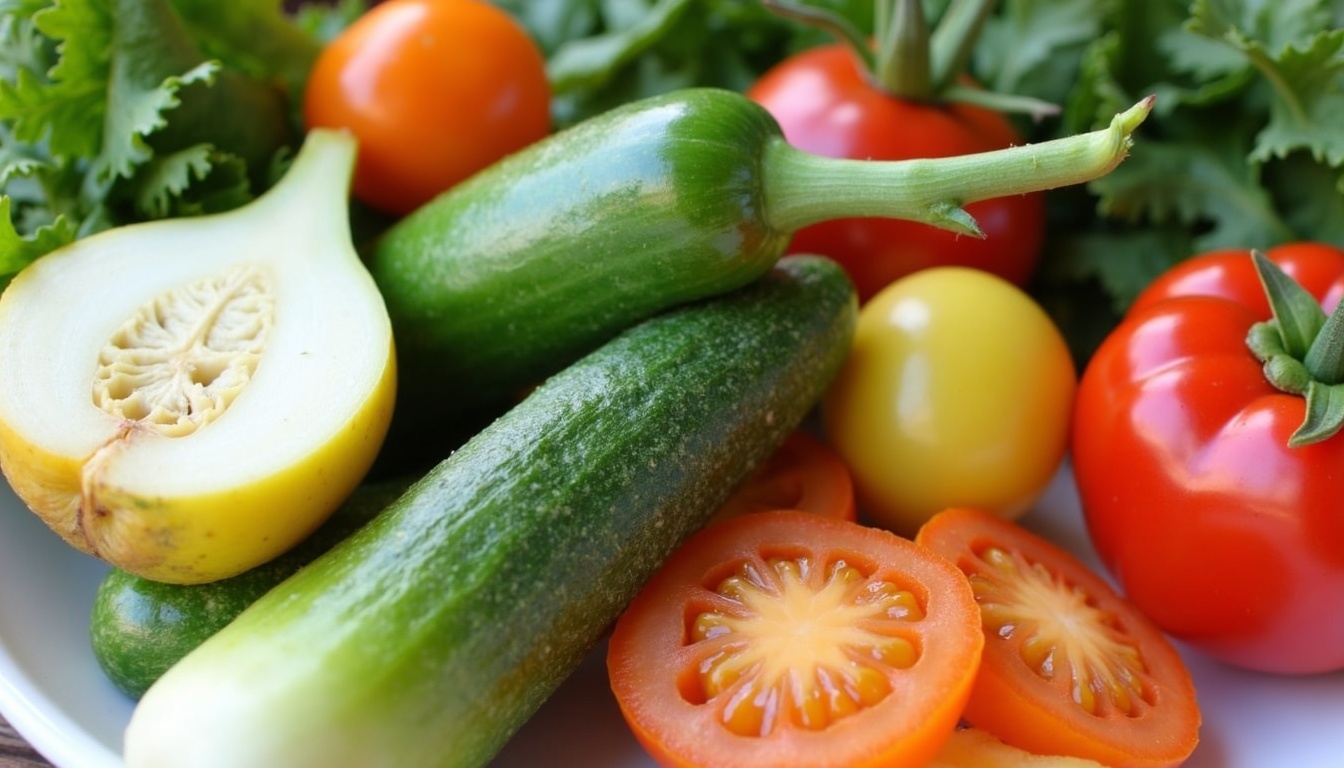 when they’re a part of a balanced meal instead of eaten by myself in small amounts.
A simple shape is to make veggies the largest portion of the plate, supported by using protein and a slight portion of carbohydrates.
This stability allows lessen the velocity at which glucose enters the bloodstream and helps greater stable power ranges after consuming.
Cooking methods can affect how satisfying greens feel. Roasting, grilling, steaming, and sautéing with wholesome oils are commonplace strategies that enhance flavor and consistency.
consuming greens earlier than carbohydrates in a meal may additionally help reduce submit-meal blood sugar spikes with the aid of slowing digestion.
Combining veggies with protein meals together with eggs, bird, fish, tofu, or legumes creates even more potent blood sugar balance.
Hydration additionally performs a role, as water allows fiber function well within the digestive device.
vegetables are not meant to be restrictive however rather foundational. The extra constantly they’re protected across food, the more solid typical blood sugar styles might also emerge as.
Small additions consisting of extra veggies in breakfast, a salad with lunch, or roasted veggies with dinner can gradually enhance fiber consumption and meal stability without predominant nutritional modifications.
through the years, these patterns may additionally support progressed insulin sensitivity and higher glucose control throughout the day.
Best high-Fiber foods for Diabetes (30g/day list)
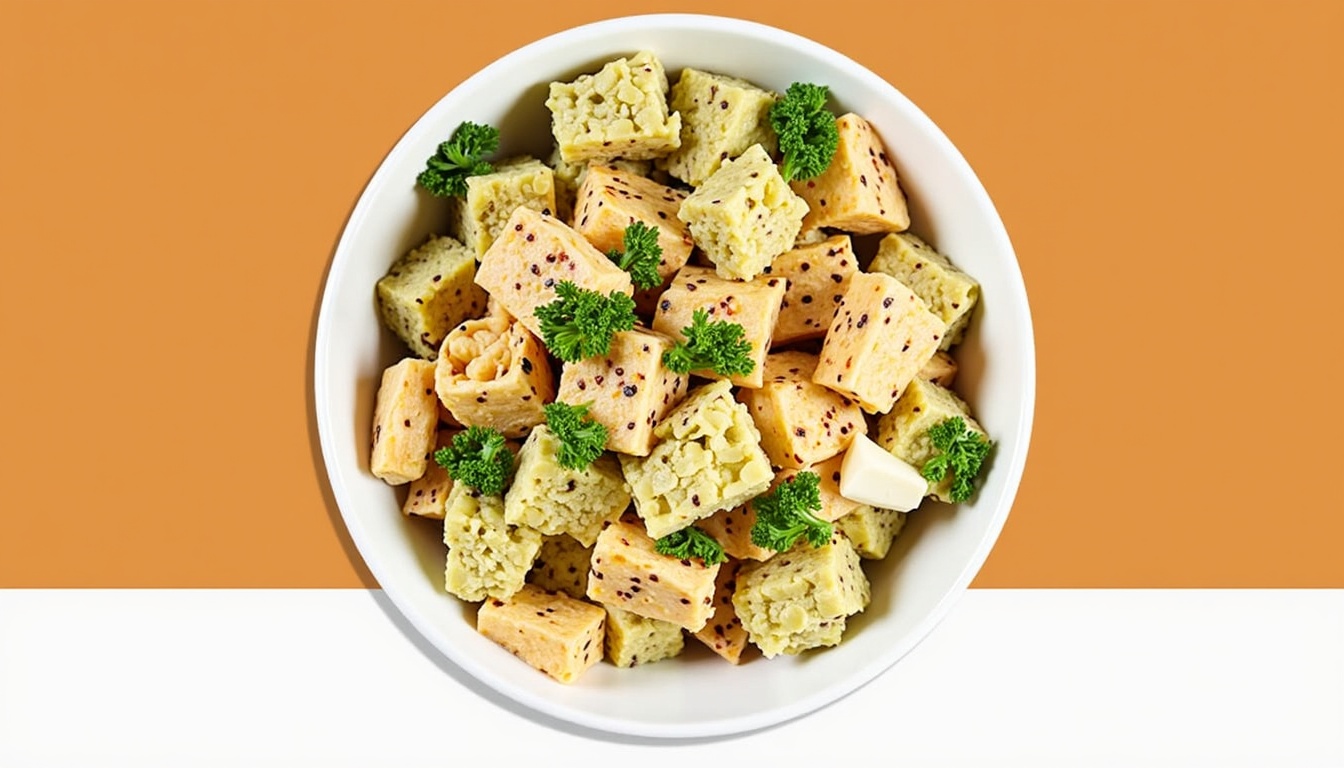 Fiber is one of the maximum essential vitamins for human beings living with type 2 Diabetes, Prediabetes, or insulin resistance. It does no longer increase blood sugar directly and rather allows gradual down how quickly carbohydrates are absorbed into the bloodstream.
when fiber consumption is low, meals is digested quicker, which regularly ends in sharper glucose spikes after meals and quicker drops in energy later. over time, this pattern can also make contributions to volatile blood sugar ranges and multiplied starvation.
A every day intake of round 30 grams of fiber is regularly used as a sensible goal for higher metabolic stability. this doesn’t require strict weight-reduction plan or unique merchandise. It normally comes from steady meals selections throughout regular meals.
Fiber is determined certainly in plant meals consisting of greens, end result, legumes, entire grains, nuts, and seeds. The key is variety and repetition all through the day.
growing fiber consumption isn’t always about perfection. it’s far approximately building small each day conduct that slowly improve digestion, fullness, and glucose stability over time.
vegetables and Leafy greens
veggies are one of the easiest and most effective ways to boom fiber intake while enhancing blood sugar manipulate. they are evidently low in calories and carbohydrates however excessive in water, fiber, nutrients, and minerals.
Leafy greens inclusive of spinach, lettuce, kale, and arugula are generally utilized in salads or brought to cooked food. They offer fiber in a light form that doesn’t reason sharp glucose rises.
different greens together with broccoli, cauliflower, cabbage, zucchini, cucumbers, peppers, inexperienced beans, and tomatoes also are crucial sources of fiber in normal meals.
those meals are commonly eaten all through lunch and dinner and often form the biggest a part of a balanced plate.
when veggies are protected earlier than or alongside different foods in a meal, they’ll assist slow digestion and reduce the overall blood sugar impact of the meal.
Cooking strategies are flexible. vegetables may be eaten uncooked, steamed, roasted, or stir-fried depending on desire and way of life.
The most important issue is consistency. everyday vegetable intake throughout the day facilitates build a regular fiber base.
folks that increase vegetable consumption frequently word stepped forward fullness and less cravings for excessive-sugar or exceptionally processed meals.
vegetables additionally assist gut health, which plays a role in digestion and metabolic stability over the years.
Even small additions, consisting of including a aspect salad or greater greens in a meal, make a contribution meaningfully to each day fiber intake.
Legumes and Beans
Legumes are the various richest resources of fiber to be had in not unusual diets. Lentils, chickpeas, black beans, kidney beans, and peas all contain each fiber and plant-primarily based protein.
This combination is vital because protein and fiber together sluggish digestion more successfully than either nutrient on my own.
Legumes digest extra slowly than delicate carbohydrates consisting of white rice, white bread, or sugary ingredients, which facilitates reduce publish-meal blood sugar spikes.
they are typically delivered to soups, stews, salads, or combined with greens in fundamental meals.
Even small servings of legumes can notably increase fiber consumption and enhance meal stability.
a few people use legumes as a alternative for a part of their common carbohydrate component, even as others upload them as an additional factor in meals.
normal intake of legumes is regularly related to improved fullness and less hunger spikes among meals.
they also assist aid more strong strength levels, which may reduce the need for frequent snacking.
Canned or cooked variations both provide fiber benefits, making legumes a flexible alternative for daily food.
culmination, entire Grains, and clever Carbohydrates
culmination and whole grains also can contribute to fiber intake whilst chosen in entire, minimally processed forms.
whole fruits consisting of apples, pears, oranges, and berries include natural fiber that facilitates gradual the absorption of sugar.
this is one-of-a-kind from fruit juice, which removes most of the fiber and allows sugar to go into the bloodstream greater speedy.
end result are generally eaten as snacks or included in food in slight quantities.
Berries are in particular commonly utilized in blood sugar-friendly consuming patterns because they incorporate fiber with surprisingly lower sugar density as compared to many different end result.
entire grains including oats, quinoa, brown rice, and barley provide fiber that helps slower digestion in comparison to sophisticated grains.
Oats are frequently used in breakfast meals and can be mixed with nuts or seeds for introduced fiber and higher satiety.
Quinoa and brown rice are usually utilized in lunch and dinner food as a base paired with veggies and protein.
The effectiveness of these ingredients relies upon heavily on portion manipulate and aggregate with other food corporations.
when complete grains are eaten on my own in large quantities, blood sugar can also still upward push considerably, even supposing the meals is taken into consideration healthy.
while blended with protein, greens, or healthful fat, the digestion manner becomes slower and extra balanced.
replacing delicate grains with whole grains is one of the most effective ways to enhance each day fiber consumption with out main food regimen modifications.
Nuts, Seeds, and each day Fiber styles
Nuts and seeds are compact however powerful sources of fiber that still provide wholesome fats and minerals.
Almonds, walnuts, chia seeds, flaxseeds, and similar ingredients are usually covered in snacks or meals in small quantities.
Chia seeds and flaxseeds are in particular excessive in fiber and regularly utilized in oatmeal, yogurt, or mixed into liquids or pudding-style food.
Nuts consisting of almonds and walnuts are usually eaten in handful quantities and assist growth satiety between meals.
those ingredients are specifically useful for reducing cravings for processed snacks and keeping steadier power throughout the day.
they also help gradual digestion whilst combined with carbohydrate-containing meals, which may additionally reduce post-meal glucose spikes.
building fiber intake with nuts and seeds is frequently simpler than it seems due to the fact small portions nevertheless contribute meaningfully over time.
every day styles count extra than unmarried food. adding nuts to breakfast, seeds to snacks, or greens to dinner creates a consistent fiber consumption across the day.
Hydration is likewise essential due to the fact fiber works great while enough water is consumed at some stage in the day.
individuals who growth fiber gradually regularly word higher digestion, improved fullness, and extra strong appetite manage.
over time, consistent fiber intake may also assist smoother blood sugar styles and decrease rapid spikes after consuming.
The secret’s repetition, now not complexity. Small consistent meals picks often create the largest lengthy-time period impact on metabolic fitness.
Top 25 Diabetes-friendly foods (how to eat Them)
 Food choice performs a primary position in blood sugar control for humans dwelling with type 2 Diabetes, Prediabetes, or insulin resistance. What topics maximum? How quickly meals raises glucose, how lengthy electricity lasts after consuming, and the way solid blood sugar remains throughout the day and night.
Diabetes-pleasant foods are commonly complete meals that digest greater slowly, include fiber, and assist steadier glucose launch. They do no longer put off carbohydrates completely however attention on stability, component manage, and food quality.
Blood sugar spikes frequently occur whilst meals are built round delicate carbohydrates, low fiber, and sugary beverages. however, meals constructed around veggies, protein, wholesome fats, legumes, and minimally processed ingredients have a tendency to create smoother glucose styles.
The intention is straightforward: lessen speedy spikes and assist solid energy with out excessive weight-reduction plan.
below are 25 diabetes-pleasant foods and the way to eat them in a sensible manner.
vegetables (Foundational Blood Sugar foods)
Spinach, broccoli, cauliflower, zucchini, and bell peppers are a number of the most diabetes-pleasant greens. they may be wealthy in fiber, water, and vitamins at the same time as having a very low glycemic effect.
They may be eaten in salads, soups, stir-fries, roasted dishes, or as side food. those meals assist increase fullness at the same time as decreasing universal meal glucose effect.
veggies paintings pleasant once they shape a massive part of the plate, assisting slower digestion and lowering the impact of different carbohydrates within the meal.
Fiber-rich Legumes
Lentils, chickpeas, black beans, kidney beans, and green peas are superb for blood sugar stability. They include each protein and fiber, which slows digestion considerably.
They can be added to soups, stews, salads, or combined with greens and small quantities of grains.
these ingredients are often greater filling than subtle carbohydrates and may help reduce starvation between meals even as helping more strong glucose degrees.
Protein foods for balance
Eggs, bird breast, fish, turkey, and tofu are crucial for balancing food and reducing glucose spikes.
They can be eaten grilled, baked, boiled, or stir-fried with greens. Protein facilitates gradual digestion and decreases sharp rises in blood sugar after meals.
meals that consist of protein are frequently more gratifying and help lessen cravings for sugary meals later in the day.
healthy fats for stability
Avocado, olive oil, almonds, walnuts, and chia seeds are healthful fats resources that help blood sugar control.
They can be added to salads, yogurt, food, or eaten in small quantities as snacks.
healthful fat gradual digestion and help food live greater balanced, reducing speedy glucose spikes.
smart Carbohydrates
Oats, quinoa, berries, apples, and unsweetened Greek yogurt are carbohydrate meals which could fit right into a diabetes-friendly diet whilst eaten properly.
They have to be ate up in mild quantities and ideally blended with protein or healthy fat.
Oats may be eaten as breakfast, quinoa as a rice alternative, berries with yogurt, and apples with nuts for slower glucose launch.
a way to integrate these ingredients for higher control
vegetables need to soak up half the plate, whilst protein and clever carbohydrates percentage the rest in smaller quantities.
Combining ingredients is more vital than consuming one “best” food by myself.
for example, oats with nuts and berries are better than oats alone. hen with greens is higher than rice on my own. Yogurt with seeds is better than sugary snacks.
vegetables list phase
Spinach, kale, lettuce, broccoli, cauliflower, zucchini, cucumbers, tomatoes, cabbage, and peppers all guide stable blood sugar.
They may be eaten raw, cooked, or blended into food during the day.
these meals help lessen standard glucose load in meals and enhance fullness naturally.
Legumes list segment
Lentils, chickpeas, beans, and peas are slowly digested carbohydrates that help reduce spikes.
they are able to replace delicate grains in many meals and offer longer-lasting electricity.
additionally they support digestion and help control urge for food.
Protein listing section
Eggs, fowl, fish, turkey, tofu, and yogurt are all useful for stabilizing food.
They reduce hunger and help stability carbohydrate intake in meals.
Protein is especially essential at breakfast and dinner for higher glucose manipulate.
healthy fats listing phase
Avocados, olive oil, nuts, seeds, almonds, walnuts, and chia seeds improve satiety and sluggish digestion.
They assist reduce submit-meal spikes when combined with carbohydrates.
They need to be eaten in slight portions due to excessive calorie density.
smart Carbs list section
Oats, quinoa, berries, apples, and yogurt are better carbohydrate alternatives whilst as compared to subtle foods.
they are extra filling and digest slower because of fiber and protein content.
They work nice when mixed with different food companies.
a way to devour for strong Blood Sugar
meals have to attention on stability in place of limit.
Combining veggies, protein, and wholesome fat reduces glucose spikes naturally.
Smaller quantities of carbohydrates paintings better than huge servings.
eating slowly and keeping off sugary beverages additionally enables stabilize blood sugar.
lifestyle elements That matter
food is most effective one part of blood sugar manipulate. movement, sleep, strain, and hydration additionally play major roles.
strolling after food may additionally lessen glucose spikes.
poor sleep might also worsen insulin resistance.
stress may additionally boom blood sugar even with out consuming.
Water is the high-quality beverage for stable glucose.
The first-class diabetes-friendly ingredients are entire, minimally processed ingredients that assist sluggish digestion and solid strength.
greens, legumes, protein foods, wholesome fat, and clever carbohydrates all paintings together to reduce blood sugar spikes.
Consistency subjects extra than perfection.
Small each day enhancements in meals choices can also result in higher long-time period glucose manipulate, improved electricity, and extra stable metabolic fitness over the years.